Hazardous Tree Removal Services for Property Safety
Safe Tree Removal And Lasting Property Protection
When Pruning Makes Sense
Recognizing Tree Hazards and Protecting Your Property
Hazardous tree removal involves taking down trees that are dead, badly damaged, leaning, or at risk of falling. These trees can threaten nearby buildings, fences, driveways, and other outdoor features, especially during strong winds or heavy rain. Removing a dangerous tree helps reduce these risks before the situation becomes more serious.
Damaged or unstable trees can also affect property value and lead to costly repairs. Falling limbs may break roof materials, damage gutters, crack paved surfaces, or block access areas. When a tree shows signs of decay, deep cracks, or unusual leaning, having it assessed can help determine whether removal is needed.
At The Great Tree, hazardous tree removal in San Antonio, TX, focuses on addressing these concerns with care. Each situation is reviewed to understand the tree's condition and nearby obstacles. Proper removal helps protect surrounding structures, clear affected areas, and maintain a safer, more manageable outdoor space.
Why Experience Matters
A Thoughtful Approach to Dangerous Tree Removal
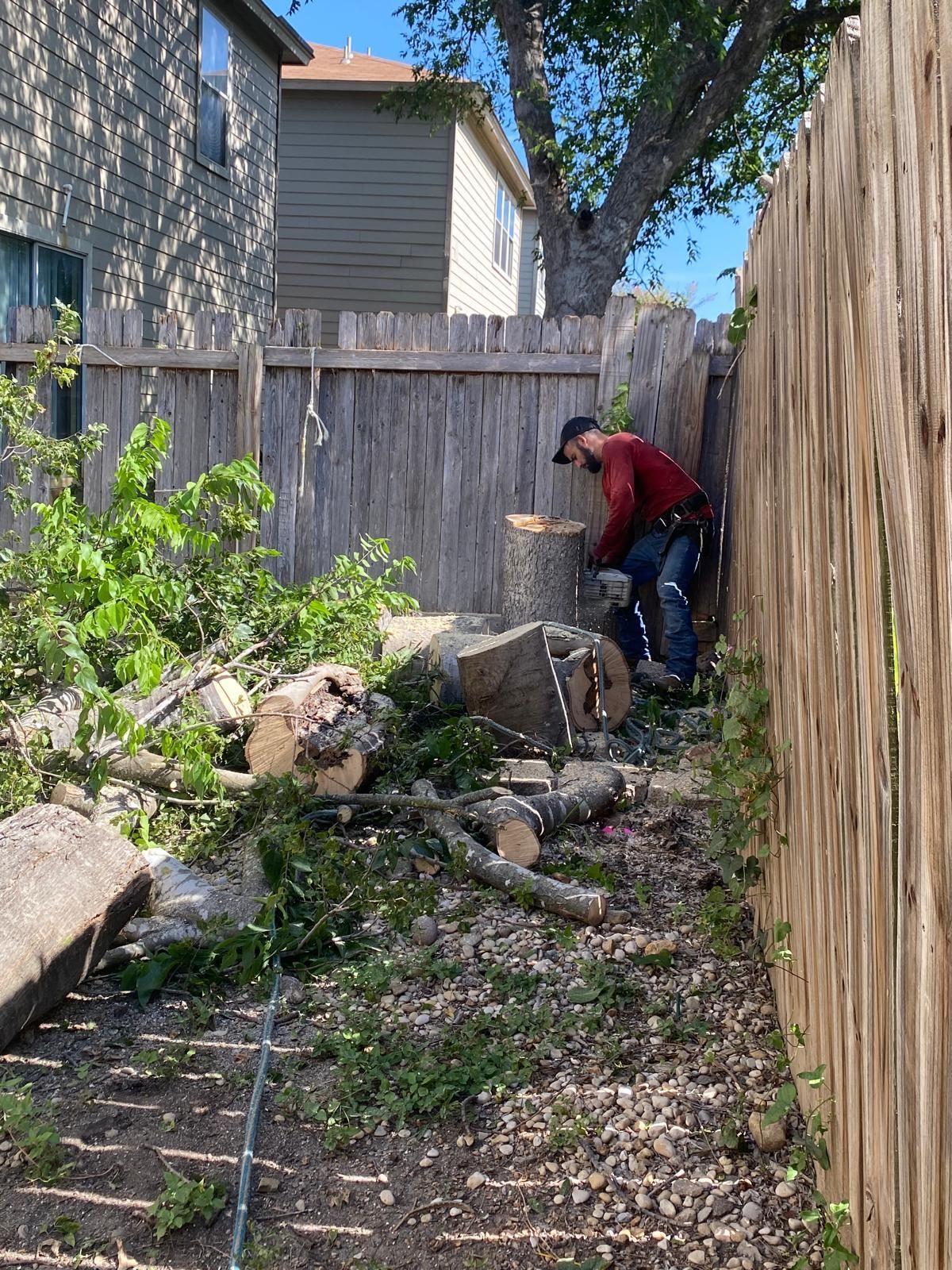
Removing a hazardous tree takes planning, careful cutting, and attention to nearby structures. The Great Tree follows a clear process to help manage risks and keep the work area organized.
- 🌳 Tree Condition Review: Check for visible damage, decay, weak branches, and signs that a tree may fall.
- 🔎 Surrounding Area Check: Identify nearby roofs, fences, walkways, and other features that need protection.
- 🪚 Controlled Tree Removal: Cut and remove the tree in manageable sections when needed to help limit damage.
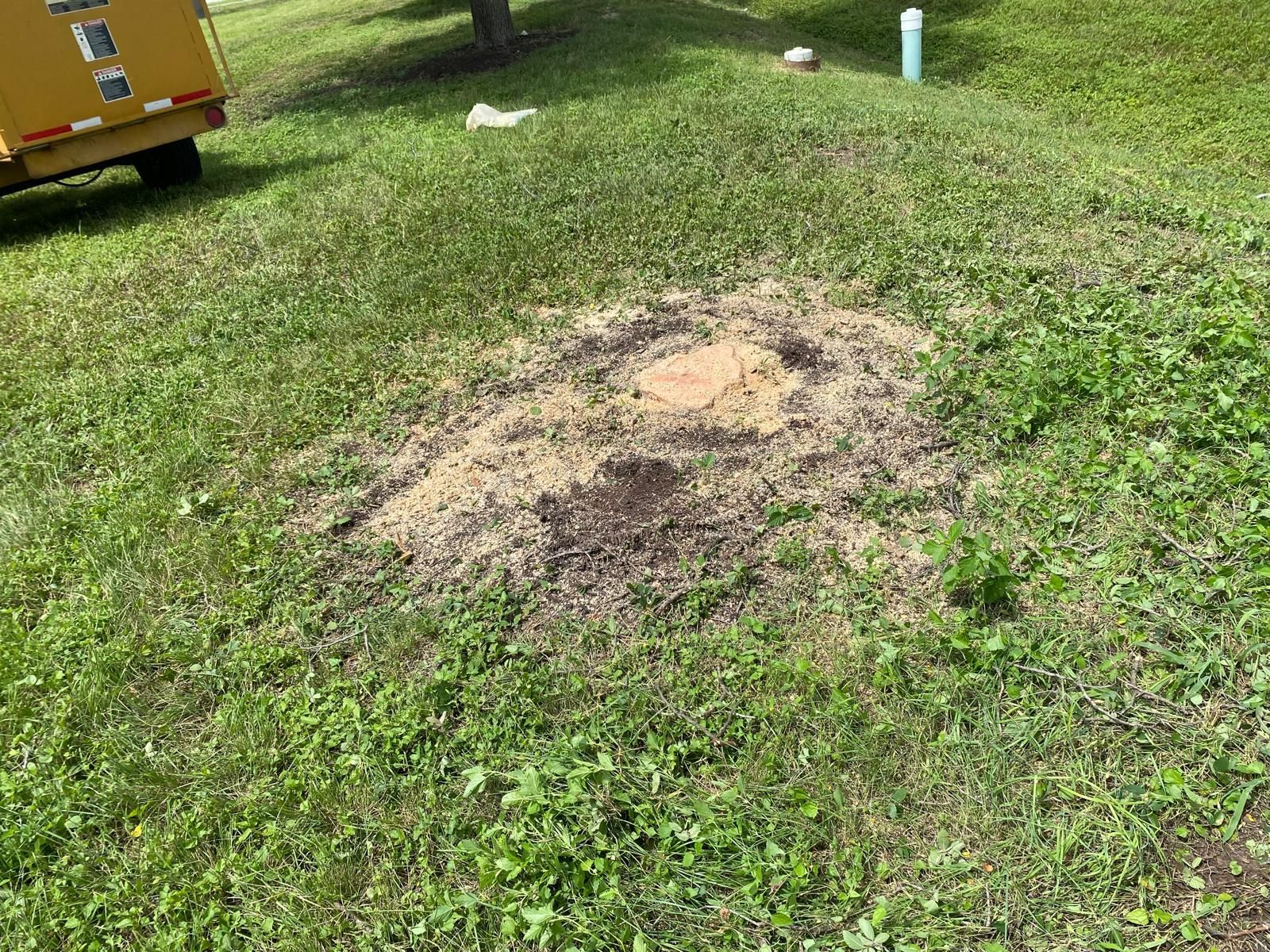
- 🍃 Debris Clearing: Gather branches and loose material to leave the work area cleaner and easier to use.
A careful approach helps address the main hazards while reducing unnecessary disruption to the surrounding area. Before removal begins, the tree's condition, size, position, and nearby obstacles are considered. This helps determine a suitable way to carry out the work and manage falling limbs or cut sections. During the process, attention is given to nearby structures and surfaces to reduce the chance of avoidable damage. Once the tree has been removed, branches and other debris are collected to help restore order to the area. Every situation is different, so the removal plan should reflect the actual conditions on site. This practical process helps manage risks, protect nearby features, and keep the work focused on the property's needs.
Our Method
Reduce Tree Hazards and Protect Your Property
A damaged or unstable tree can become a serious concern when it stands near buildings, fences, or frequently used outdoor areas. Removing a tree that poses a clear risk can help prevent unexpected damage and reduce ongoing safety concerns.
The Great Tree
takes nearby structures and site conditions into account when planning hazardous tree removal. The process focuses on careful cutting, controlled removal, and cleanup. Addressing dangerous trees in a timely manner can help protect property features, maintain clear access, and reduce the chance of costly repairs caused by falling trees or limbs.
Is Pruning is Necessary
Get Help With Hazardous Tree Removal
Hazardous tree removal helps address trees that are dead, damaged, leaning, or at risk of falling. focuses on careful removal, attention to nearby structures, and clearing branches and debris after the work. Taking action when a tree shows signs of serious damage can help reduce risks to buildings, fences, and outdoor surfaces. For hazardous tree removal in San Antonio, TX, contact The Great Tree
at (830) 541-0610.
What to Expect
Address Tree Risks Before They Worsen
A tree that looks unstable today may become a bigger concern after strong winds, heavy rain, or continued decay. Cracked trunks, hanging limbs, and sudden changes in a tree's position are signs that deserve attention.
Working with The Great Tree
helps you address these concerns through a practical review of the tree and its surroundings. Identifying possible hazards early can help determine whether removal is needed and reduce the chance of unexpected damage. The goal is to focus on genuine risks, protect nearby structures, and avoid unnecessary work whenever possible. Timely action can also help prevent blocked access and costly cleanup after a tree falls.
Built on Local Trust
A Clear Process With Careful Follow-Through
When arranging hazardous tree removal, you should know how the work will be handled and what happens to the debris afterward. A clear plan helps make the process easier to understand and prepare for.
The Great Tree
reviews the tree's condition, considers surrounding structures, and determines an appropriate removal approach. The work is planned around the tree's position, size, and visible damage. During removal, care is taken to manage branches and cut sections while limiting unnecessary disruption. Afterward, loose branches and debris are collected to leave the area more orderly. This straightforward approach keeps the service focused on safety, clear communication, and property care.
Tree Care That Reflects Local Conditions
Trees in San Antonio, TX, face changing weather conditions that can weaken branches, damage trunks, and loosen root systems. Strong winds and heavy rain may increase the risk of damaged trees falling near buildings, fences, and other structures.
The Great Tree
considers these local conditions when addressing hazardous trees and their potential impact on surrounding spaces. Each situation calls for attention to the tree's condition, its position, and nearby features. By focusing on careful removal and thorough cleanup, the service helps manage common tree-related risks. This practical approach supports property care while keeping the process straightforward and suited to the needs of the site.